

Massage Therapy for Stress: How It Affects the Nervous System
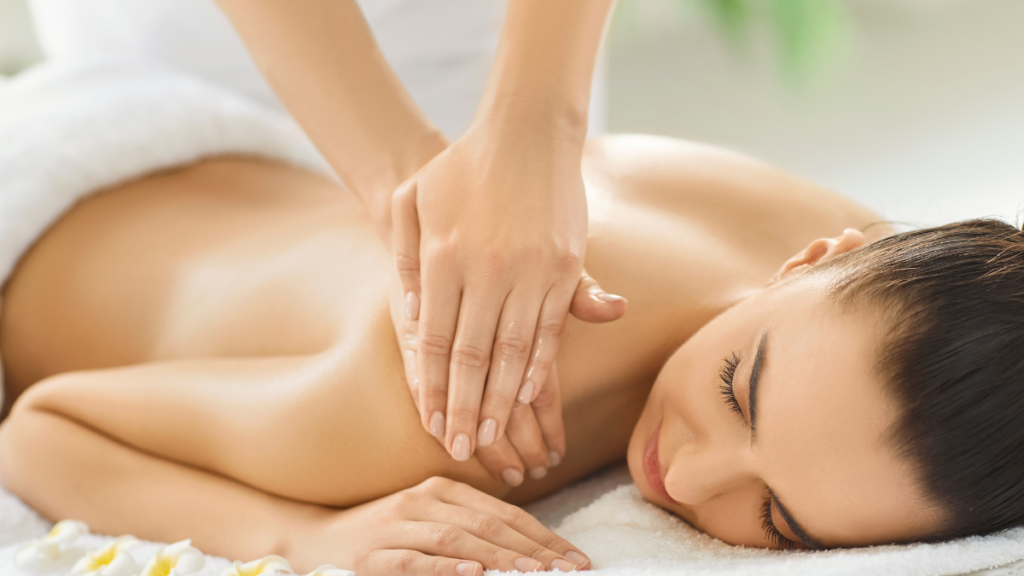
Stress is not only something you feel. It’s something your body carries, and massage therapy for stress can play an important role in how your body responds over time.
Many people notice it as tight shoulders, constant fatigue, headaches, or difficulty sleeping. Over time, this physical and mental tension can become part of daily life without even realizing it. That’s where this type of therapy can play an important role.
Massage is often associated with comfort, but its effects go far beyond that. It directly interacts with the nervous system, helping the body shift away from a constant state of stress and into a more balanced and regulated condition. Some individuals also explore options like deep tissue massage when dealing with more persistent areas of tension.
How the Nervous System Responds to Stress
The human body is designed to respond to stress through what is known as the fight-or-flight response. When this system is activated, your body releases stress hormones such as cortisol and adrenaline.
This response can be helpful in short situations. However, when stress becomes constant, the body may remain in this heightened state longer than it should.
Over time, this can lead to:
- persistent muscle tightness
- shallow breathing
- difficulty sleeping
- increased fatigue
- reduced ability to fully relax
This is where many people begin to feel that their body is “always tense,” even without a clear reason.
How Massage Therapy for Stress Helps Activate the Relaxation Response
Massage therapy helps the body transition into what is known as the parasympathetic nervous system, often described as the “rest and digest” state.
During a session, several physiological changes begin to occur:
- heart rate slows down
- breathing becomes deeper and more regular
- muscle tension begins to decrease
- the body reduces production of stress hormones
At the same time, the body may increase the release of chemicals such as serotonin and dopamine, which are associated with improved mood and a sense of calm.
This shift is not only felt during the session—many clients notice the effects lasting well after the treatment ends.
The Connection Between Physical Tension and Mental Stress
Stress is not just mental—it often shows up physically in the body.
Common areas where tension builds include:
- neck and shoulders
- upper and lower back
- jaw and head
- hips and legs
When these areas remain tight for extended periods, they can begin to affect movement, posture, and overall comfort.
Massage therapy works by addressing this physical tension directly. As muscles begin to release, many people also notice a change in how they feel mentally—more at ease, more focused, and less overwhelmed.
Why Consistency Matters More Than One Session
While a single massage can help reduce tension, the real benefits often come with consistency.
Regular sessions may help:
- prevent tension from building up again
- support better sleep patterns
- improve overall body awareness
- maintain a more balanced stress response
For some people, this might mean coming in more frequently during periods of higher stress. For others, a regular routine helps maintain a steady sense of balance over time.
The key is not only the treatment itself, but how it becomes part of a broader approach to taking care of the body.
Not all massage techniques affect the body in the same way
Some approaches focus more on calming the nervous system, while others target deeper layers of muscle tension. For example, lighter techniques designed to promote relaxation can help the body shift into a calmer state, while more focused approaches may be better suited for areas of persistent tightness. In many cases, options like relaxation massage are chosen by individuals looking to support overall stress reduction and mental clarity.
This may include:
- techniques that promote a general sense of calm and relaxation
- approaches that focus on deeper areas of tension and ongoing discomfort
In some cases, combining different techniques may provide a more complete experience depending on individual needs.
What You May Notice After a Massage Session
The effects of massage can vary from person to person, but many people report:
- a sense of mental clarity
- reduced physical tension
- improved sleep quality
- easier, deeper breathing
- a general feeling of calm
Sometimes, these changes are immediate. Other times, they become more noticeable later in the day or even the following days.
Supporting Your Body While Managing Stress Naturally
Massage works best when it is part of a consistent routine.
Simple habits that can help extend its effects include:
- staying hydrated
- taking short breaks from prolonged sitting
- gentle stretching or movement
- maintaining awareness of posture
- allowing time to rest after a session when possible
These small actions can help the body maintain the balance achieved during treatment.
A Natural Way to Support Stress and Well-Being
In a fast-paced environment, it’s easy for stress to build up without noticing. Over time, this can affect both the body and the mind.
Massage therapy offers a natural way to support the body’s ability to regulate stress, reduce tension, and improve overall well-being. Rather than addressing only the symptoms, it works with the body’s own systems to encourage a more balanced state.
If you’re exploring ways to better manage physical tension or daily stress, massage can be a valuable part of that process.
Ready to Take the Next Step?
If stress and physical tension have become part of your routine, taking a moment to address it can make a meaningful difference.
Massage therapy can help support your body, reduce tension, and bring back a more balanced sense of comfort over time.
When you’re ready, you can schedule your session through our online booking system and choose the option that feels right for you.