

Recovery Massage in Edmonton
Recovery Massage in Edmonton:
A Complete Guide to Athletic Recovery
From pre-training prep to post-event recovery — how the right massage technique at the right time changes everything.
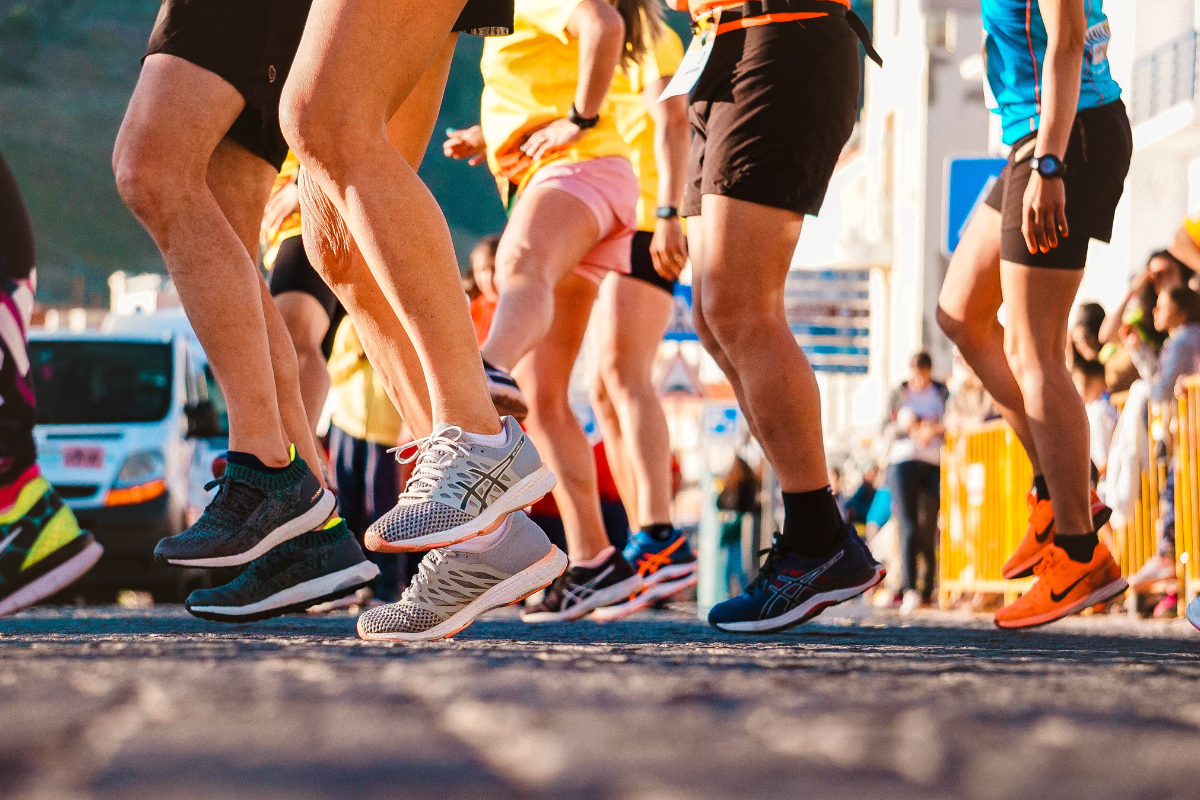
Not all massage sessions are the same — and for athletes and active individuals, choosing the right technique at the right moment in your training cycle isn't just helpful. It's the difference between recovering well and getting injured. This guide walks you through every modality we offer at Viva Massage & Wellness that supports athletic performance and recovery, so you can make informed decisions about your care.
Whether you're a competitive runner, a weekend lifter, a recreational cyclist, or someone who simply pushes their body hard and needs it to keep up — massage therapy is one of the most evidence-supported recovery tools available. But the word "massage" covers a wide range of techniques, each with a distinct purpose and optimal timing.
At Viva Massage & Wellness in Riverbend, Edmonton, our registered massage therapists work with active clients across all levels — from post-workout recovery to managing chronic overuse patterns to pre-event preparation. This guide brings structure to what can otherwise feel like an overwhelming set of choices.
The Foundation
Sports Massage as a Clinical Framework
Sports massage is best understood not as a single technique, but as an organizing framework — one that adapts based on where you are in your training cycle and what your body needs at that moment.
The most effective sports massage practitioners don't apply the same session every time. They assess, adapt, and layer techniques based on your current state: Are you preparing for an event? Recovering from one? Managing a recurring overuse pattern? Trying to maintain performance during a high-volume training block?
Each answer calls for a different approach. Understanding this helps you walk into a session knowing what to ask for — and walk out with results that actually stick.
"The right technique at the wrong time produces the wrong result. Sports massage is as much about timing as it is about technique."
The 4 Phases of Athletic Care
Every athlete moves through predictable phases — and each one calls for a different approach to bodywork. Understanding your current phase helps your therapist design a session that supports rather than disrupts your body's natural cycle.
Pre-Event
Activate, prepare, and prime without overloading tissue
Training Support
Maintain tissue quality and address overuse during high-load phases
Post-Event Recovery
Flush metabolic waste, reduce inflammation, restore baseline
Rehab-Adjacent Care
Support healing and prevent compensation patterns during recovery
Quick Reference
Technique Comparison at a Glance
Not sure where to start? This table maps each technique to its primary purpose and the phase of care where it's most effective. Use it as a starting point — your therapist will always help refine the plan based on what your body is actually telling them.
| Technique | Primary Purpose | Best Phase | Focus |
|---|---|---|---|
| Sports Massage | Performance prep and targeted recovery | Pre-Event / Training | Performance |
| Deep Tissue Massage | Break down adhesions and chronic tension | Training / Rehab | Clinical & Performance |
| Body Dynamic Cupping | Tissue decompression and glide | Training / Recovery | Performance |
| Lymphatic Massage | Reduce swelling and support immune function | Post-Event / Recovery | Recovery |
| Hot Stone Massage | Deep relaxation and heat-assisted muscle release | Recovery / Maintenance | Recovery |
| Jade Stone Massage | Cool stone therapy for inflammation and nervous system balance | Recovery / Maintenance | Recovery |
| Relaxation Massage | Nervous system reset and parasympathetic activation | Recovery / Maintenance | Recovery |
| Prenatal Massage | Safe pregnancy support for active mothers | Specialized Care | Specialized |
| TMJ & Intra-Oral | Jaw tension from clenching, grinding, contact sports | Specialized Care | Clinical |
| Face Lymphatic Drainage | Facial fluid management, sinus relief, post-event recovery | Recovery / Specialized | Specialized |
| Children & Youth Massage | Gentle therapeutic support for young athletes | Specialized Care | Specialized |
| Chair / Seated Massage | Accessible on-site relief for neck, shoulders, back | Maintenance | Accessible |
Category One
Tissue-Focused Techniques
Tissue-focused techniques address the mechanical restrictions that limit performance and recovery. They work directly on muscle, fascia, and connective tissue to restore mobility, reduce tension, and improve how structures move under demand. These are the workhorses of sports massage — most relevant during high-volume training phases, early signs of overuse, or when a specific area simply isn't adapting well.
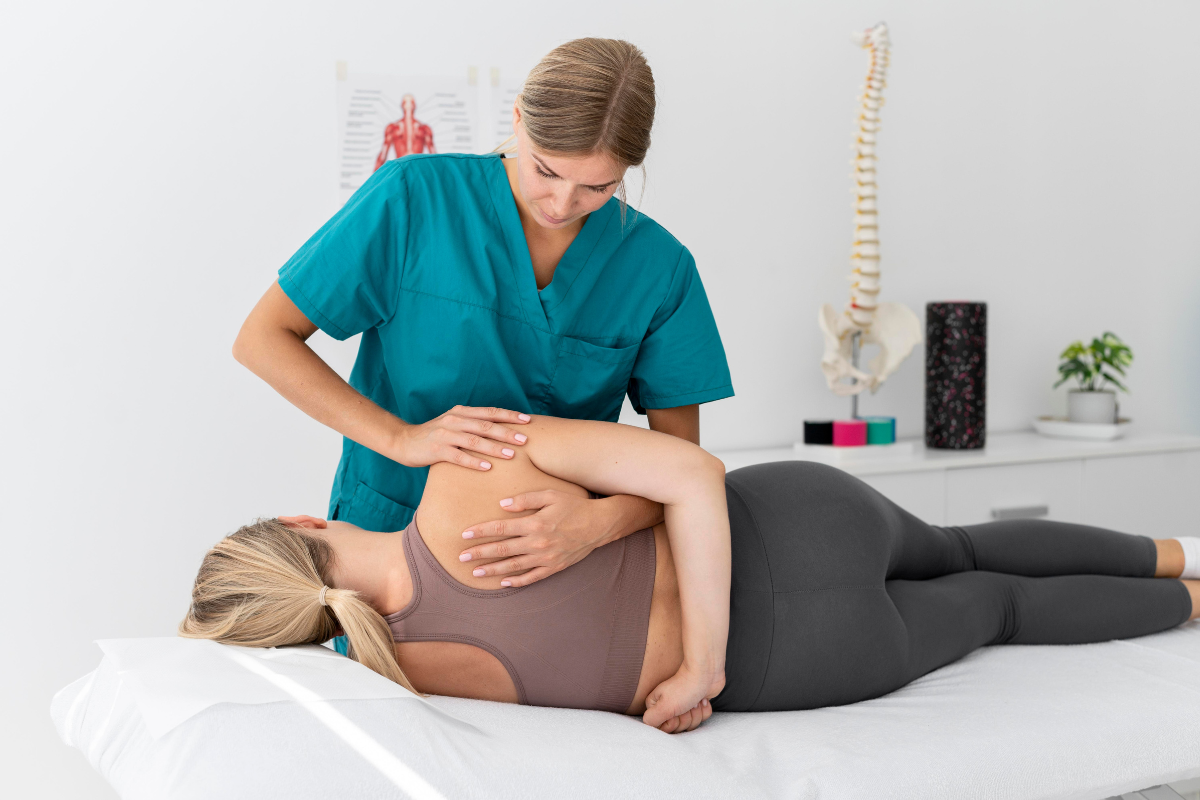
Tissue-focused techniques target the mechanical restrictions that accumulate during training
Sports Massage — The Foundation of Athletic Recovery
Sports massage is a targeted, results-oriented form of bodywork designed around the specific demands of athletic training. Unlike general relaxation massage, sports massage works with a clear understanding of how training stress accumulates in tissue — and applies techniques calibrated to that reality.
Sessions typically combine effleurage for circulatory stimulation, petrissage for deeper tissue work, friction techniques for adhesion management, and targeted compression to address areas of localized overload. The pressure is purposeful and adapted to your training phase.
- Preparing for a race, competition, or high-intensity training block
- Managing tissue quality during peak training volume
- Recovering from performance events within 24–72 hours
- Addressing recurring tightness in sport-specific muscle groups
Deep Tissue Massage — Breaking Through Chronic Tension
Deep tissue massage applies slow, sustained pressure to reach the deeper layers of muscle and connective tissue. It's the technique of choice when superficial work isn't enough — when tension has become layered, adhesions have formed, or specific areas of the body feel chronically locked regardless of stretching or general massage.
In athletes, deep tissue work is particularly valuable for addressing the compensatory patterns that develop over months of asymmetrical training. A runner's iliotibial band, a swimmer's rotator cuff, a cyclist's hip flexors — these areas accumulate structural change over time that requires focused, sustained pressure to address.
It's worth noting: deep tissue doesn't mean painful. A skilled therapist calibrates pressure to your tissue response, working at the edge of productive discomfort — never beyond it.
- Chronic tightness persists despite regular lighter massage
- Specific adhesions or dense tissue areas are limiting range of motion
- Compensatory patterns from asymmetrical training need addressing
- You're in a lower-intensity training phase and can allow 24–48 hours of recovery
Body Dynamic Cupping — Decompression in Motion
Body dynamic cupping uses negative pressure to lift and decompress soft tissue — the opposite mechanical action of compression-based massage. Where deep tissue pushes down, cupping pulls up, creating space within the tissue that improves circulation, reduces fascial restriction, and promotes glide between layers.
The dynamic application sets this apart from traditional stationary cupping. Rather than placing cups and waiting, dynamic cupping involves movement — either the client moves through a range of motion while the cups glide, or the therapist moves the cups across specific tissue patterns. This makes it particularly effective for addressing restrictions that compression alone doesn't reach.
Athletes often respond exceptionally well to cupping when they feel restricted but compressive techniques increase guarding — a sign that the tissue needs decompression, not more pressure.
- Tissue feels restricted but direct pressure increases tension or guarding
- Fascial glide between muscle layers needs improvement
- Circulation in a specific area feels sluggish or congested
- You want to complement deep tissue work without adding more compression
Lymphatic Massage — Clearing the System After Exertion
Lymphatic massage uses light, rhythmic strokes to stimulate the lymphatic system — the body's primary drainage network. After intense training or competition, the lymphatic system plays a critical role in clearing metabolic waste, reducing inflammation, and supporting immune function. When this system is congested or sluggish, recovery slows noticeably.
For athletes, this technique is most valuable in the 24–72 hours following a high-exertion event. It's also beneficial when swelling or inflammation is present — from minor sprains, post-surgery recovery, or repetitive strain. The pressure is intentionally gentle; the lymphatic system responds to light stimulation, and heavy pressure counterproductively collapses the lymphatic vessels.
- Recovering from a race, competition, or particularly demanding training block
- Swelling or puffiness is present in limbs or joints
- Immune function feels compromised during heavy training
- Post-surgical recovery requires gentle drainage support
Category Two
Recovery-Focused Techniques
Recovery-focused techniques address the nervous system as much as the tissue. They work by activating the parasympathetic nervous system — shifting the body out of chronic sympathetic activation and into genuine rest and repair mode. For athletes who are constantly training, this shift is not a luxury. It's a physiological necessity for sustained performance.
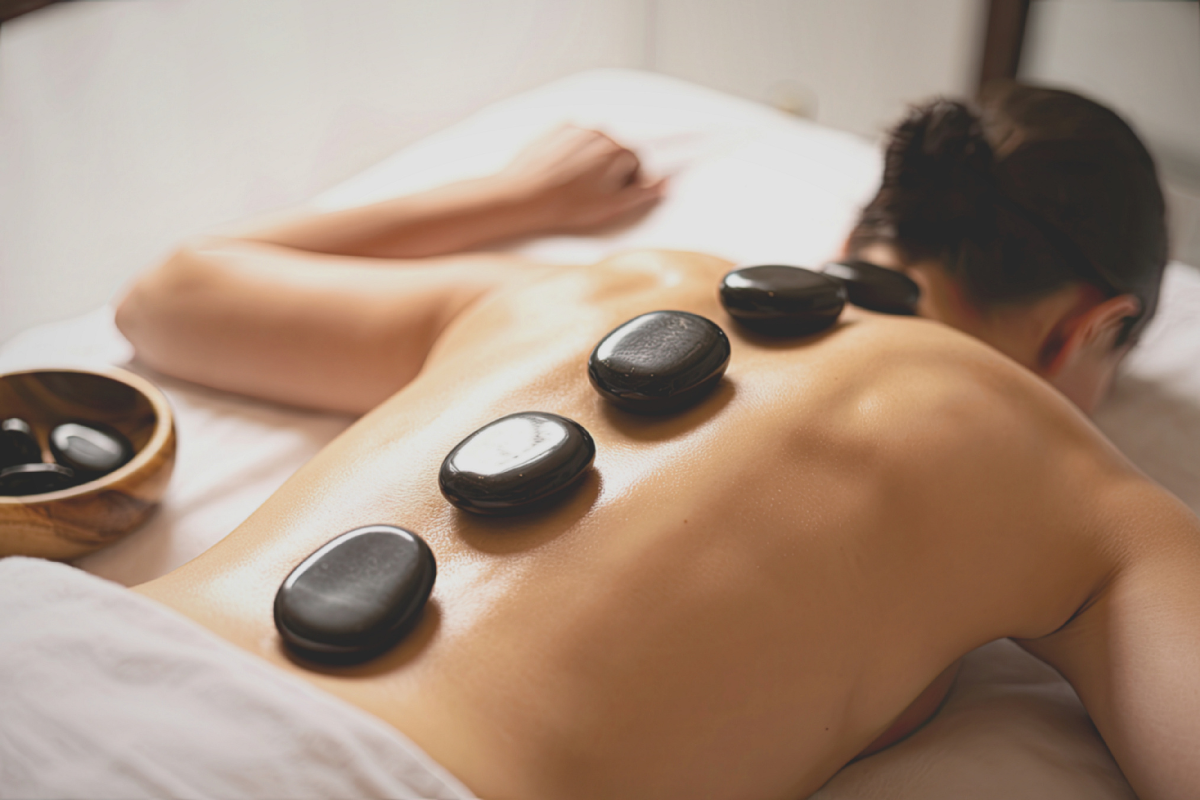
Recovery-focused massage resets the nervous system — essential for athletes in high-load training cycles
Hot Stone Massage — Heat-Assisted Deep Release
Hot stone massage uses smooth, heated basalt stones applied directly to the body and used as massage tools. The heat penetrates deeper than manual pressure alone, warming muscle tissue rapidly and promoting significant relaxation of both superficial and deeper layers. This makes it uniquely effective for athletes whose muscles carry chronic tension that resists standard pressure.
The physiological effect of heat on muscle tissue is well-established: increased blood flow, reduced viscosity in connective tissue, and a lowering of the neurological tone that maintains chronic tension. In practical terms, athletes often report that hot stone massage reaches a level of release they can't achieve with other techniques alone.
It's best positioned in the recovery and maintenance phases — not immediately before training when tissue needs to be prepared for load, but as a tool for deep restoration between training blocks.
- Chronic muscular tension isn't releasing with standard pressure techniques
- You're in a recovery or deload phase between training blocks
- Stress is high and the nervous system needs a pronounced reset
- Cold weather or reduced circulation is affecting tissue quality
Jade Stone Massage — Cool Therapy for Heat and Inflammation
Jade stone massage uses smooth, cool jade stones applied to the body — the thermal opposite of hot stone massage. Where heated basalt stones warm and loosen tissue, jade stones cool and calm, making them particularly effective when the body is running hot: after intense training, during inflammatory responses, or when the nervous system is overstimulated and needs a pronounced downregulation.
Jade has been used therapeutically for centuries, and the physiological rationale is well-supported. Cool temperatures applied to soft tissue cause vasoconstriction followed by vasodilation — a pump-like effect that improves circulation and reduces localized inflammation. The cooling sensation also activates the parasympathetic nervous system more rapidly than heat in certain high-arousal states, making jade stone massage a uniquely effective recovery tool for athletes who are overtrained or inflamed.
Sessions can combine jade and hot stones strategically — alternating between thermal contrasts to maximize circulatory response — or use jade stones exclusively for their calming and anti-inflammatory properties.
- Localized inflammation or heat is present after training or competition
- The nervous system feels overstimulated or wired despite fatigue
- Hot stone massage feels too intense due to existing tissue sensitivity
- You want a deeply calming recovery session with thermal contrast therapy
Relaxation Massage — The Nervous System Reset
There's a common misconception that relaxation massage is the "easy option" — something athletes move past once they get serious. The research tells a different story. Relaxation massage is one of the most powerful tools for activating parasympathetic nervous system dominance, reducing circulating cortisol, and improving sleep quality — all of which are direct performance variables.
Athletes in high-volume training phases spend significant time in sympathetic dominance: elevated cortisol, disrupted sleep, heightened neural arousal. Regular relaxation massage provides a structured counterweight to this state. Studies show it measurably increases serotonin and dopamine while reducing cortisol — a neurochemical profile that directly supports recovery, mood, and motivation.
Think of it as training for your nervous system's off switch. The body can't build or repair efficiently in a state of chronic stress. Relaxation massage creates the physiological conditions for genuine recovery.
- Sleep quality is poor despite physical fatigue
- You feel perpetually "wired but tired" during training blocks
- Mental recovery is lagging behind physical recovery
- Stress levels — from training or life — are chronically elevated
"Recovery isn't what happens between training sessions. Recovery IS the training. Massage is how smart athletes invest in it."
Category Three
Specialized Care
Some clients have needs that go beyond general performance and recovery work. These specialized techniques address specific populations and conditions — from active pregnancies to jaw dysfunction, young athletes, and facial lymphatic drainage. They require additional training and a more targeted clinical approach from our registered therapists.
Prenatal Massage — Staying Active Through Pregnancy
Pregnancy doesn't mean stopping all physical activity — and many active women continue training through significant portions of their pregnancy. Prenatal massage provides safe, targeted bodywork adapted for the anatomical and physiological changes of pregnancy, supporting both comfort and continued activity.
Positioning, pressure, and technique selection all change during pregnancy. At Viva, our therapists trained in prenatal care understand how to work effectively and safely across all three trimesters — addressing the hip and lower back load that increases with weight distribution changes, the thoracic tension that accompanies postural shifts, and the systemic stress that pregnancy places on the body.
For active mothers, prenatal massage supports continued movement by keeping key muscle groups functional and reducing the discomfort that can otherwise limit training modifications.
- Hip, lower back, or sacral discomfort is limiting movement
- Postural changes are creating thoracic or neck tension
- Swelling in the lower limbs needs gentle drainage support
- General stress and sleep quality need support throughout pregnancy
TMJ & Intra-Oral Massage — The Overlooked Athletic Tension Pattern
Jaw tension is one of the most commonly overlooked patterns in athletes. Contact sport athletes clench during impact. Endurance athletes clench during prolonged effort. High-stress competitors clench at night. The result: temporomandibular joint dysfunction that creates headaches, neck tension, disrupted sleep, and even affects breathing mechanics under demand.
TMJ and intra-oral massage works directly on the muscles of the jaw — including the masseter, temporalis, and pterygoids — using both external and careful intra-oral techniques. It's a specialized form of work that requires additional training, and the results for clients with chronic jaw tension can be dramatic.
Athletes who grind their teeth at night, experience recurring headaches, or notice jaw tightness during or after competition often find this work transformative for recovery quality — particularly sleep depth and morning readiness.
- Chronic headaches are present, especially morning or post-training
- Jaw clicking, locking, or pain is affecting daily function
- Night grinding is disrupting sleep quality
- Neck and shoulder tension seems connected to jaw clenching patterns
Face Lymphatic Drainage — Recovery From the Head Down
Face lymphatic drainage applies gentle, rhythmic strokes to the delicate lymphatic pathways of the face, neck, and scalp. While it may seem far removed from athletic performance, facial lymphatic congestion has direct effects on recovery quality — contributing to sinus pressure, headaches, disrupted sleep, and the general feeling of heaviness that can accompany intense training blocks or high-altitude exertion.
Endurance athletes, swimmers, and those training in variable weather conditions often find facial lymphatic drainage particularly valuable. It also provides meaningful relief from the post-event puffiness and sinus congestion that can follow long-duration events. Combined with body lymphatic massage, it creates a comprehensive drainage approach that supports full-system recovery.
- Sinus pressure or facial congestion is affecting breathing during training
- Post-event puffiness or facial heaviness is present
- Headaches are linked to facial or neck congestion patterns
- Sleep quality is affected by sinus discomfort
Children & Youth Massage — Supporting Young Athletes
Children and youth massage is adapted specifically for developing bodies — using lighter pressure, age-appropriate techniques, and a pace calibrated to younger clients. Young athletes face unique physical demands: growth plates still developing, musculature adapting to new loads, and recovery systems less robust than adults.
Youth sports participation has increased significantly, and with it, the incidence of overuse injuries in young athletes. Regular massage therapy provides a proactive tool for managing growing pains, postural patterns from school and device use, and the physical demands of competitive sport participation. Sessions are always conducted with a parent or guardian present and adapted to the child's comfort and communication throughout.
- A young athlete is experiencing recurring muscle soreness or growing pains
- Postural concerns from school or device use need addressing
- A youth athlete is in a high-volume competitive season
- Recovery support is needed alongside active youth sport participation
Chair Massage — Accessible Relief Without Barriers
Chair massage is performed fully clothed in a specialized ergonomic chair, targeting the neck, shoulders, upper back, arms, and hands. It requires no preparation, no disrobing, and can be completed in 15 to 30 minutes — making it one of the most accessible forms of therapeutic massage available.
For athletes and active individuals, chair massage is a practical option between full sessions — maintaining tissue quality in the upper body during training phases where time is limited. It's also an excellent entry point for those new to massage therapy who want to experience the benefits without committing to a full session. The focused work on the neck, shoulders, and upper back addresses some of the most common tension patterns from both desk work and athletic training.
- Time is limited but neck and shoulder tension needs attention
- You're new to massage and want a low-barrier introduction
- Upper body maintenance is needed between full massage sessions
- Work-related or desk posture tension is accumulating between training sessions
Making the Right Choice
How to Choose the Right Technique for Your Training Phase
The most common mistake athletes make when booking massage is choosing based on familiarity rather than current need. You booked deep tissue last time and it helped — so you book it again. But your body is in a completely different phase now, and what it needs has changed.
A simple framework for deciding:
- Training hard this week? Sports massage or deep tissue to manage tissue quality and prevent accumulation
- Competition in the next 48 hours? Lighter sports massage focused on activation, not deep tissue work
- Just finished a race or event? Lymphatic massage or relaxation massage to support recovery in the first 72 hours
- Feeling chronically exhausted or "flat"? Relaxation massage to reset the nervous system before returning to intensity
- Specific tight area that won't release? Deep tissue or cupping targeting that region
- Not sure? Tell your therapist what's happening and let them guide the session
At Viva Massage & Wellness, our sessions follow proven massage techniques adapted to what each client communicates. Before your session, simply share your concerns, areas of discomfort, or recovery goals with your therapist — and they will adjust their focus and approach accordingly. You don't need to arrive with all the answers. Just tell us what your body is telling you.
Working With Our Registered Massage Therapists
All massage therapy at Viva Massage & Wellness is performed by registered massage therapists with training across multiple modalities. This matters for athletic clients because sport-specific work requires more than a single technique — it requires the clinical judgment to know which technique to use, when, and how to combine approaches within a single session.
Our therapists work with:
- Recreational athletes managing training loads alongside work and family demands
- Competitive athletes preparing for or recovering from events
- Active individuals managing chronic overuse patterns
- Anyone who uses their body hard and wants to keep using it well
If you're unsure which service to book, reach out before your session. We're happy to help you identify the best starting point based on your current training phase and goals. You can also explore our full range of therapeutic massage services on our services page.

Our registered massage therapists in Riverbend, Edmonton — ready to listen and adapt to what your body needs
Ready to Train Smarter?
Book with one of our registered massage therapists in Riverbend, Edmonton. Tell us where you are in your training cycle — we'll take it from there.
Book Your Massage Therapy in Riverbend Edmonton →Recovery Massage in Edmonton Read More »