What to Expect from Your First Massage Therapy Session in Edmonton
What to Expect from Your First Massage Therapy Session in Edmonton
A straightforward guide to your first visit at Viva Massage & Wellness — so you arrive informed, comfortable, and ready to get the most out of your session.

If you've never had a professional massage therapy session before — or if it's simply been a while — it's completely normal to have questions about what the experience actually looks like. This guide walks you through everything from booking to aftercare, so you know exactly what to expect when you walk through our door.
At Viva Massage & Wellness in Riverbend, Edmonton, all sessions are conducted by Registered Massage Therapists (RMTs) — healthcare professionals trained and regulated under Alberta's Health Professions Act. Every session is therapeutic, professional, and focused entirely on your health and recovery goals.
Step One
Before You Arrive — What Happens After You Book
Once your appointment is confirmed — whether you booked online, by phone, or in person — you'll receive an intake form to complete before your first visit. This is standard practice at any professional massage therapy clinic and takes just a few minutes to fill out.
The intake form covers basic health information, any areas of concern, and relevant medical history. This helps your therapist prepare for your session and ensures the treatment is appropriate and safe for your specific situation. Your information is kept private and used solely to guide your care.
Taking a few minutes to fill out your intake form in advance means less time on paperwork when you get here and more time focused on your session. If you weren't able to complete it beforehand, simply arrive 10 minutes early — we'll have an iPad or paper form ready for you at the clinic.
Please note that if forms are not completed before the session begins and your therapist has another client booked immediately after, your session time may need to be adjusted accordingly.
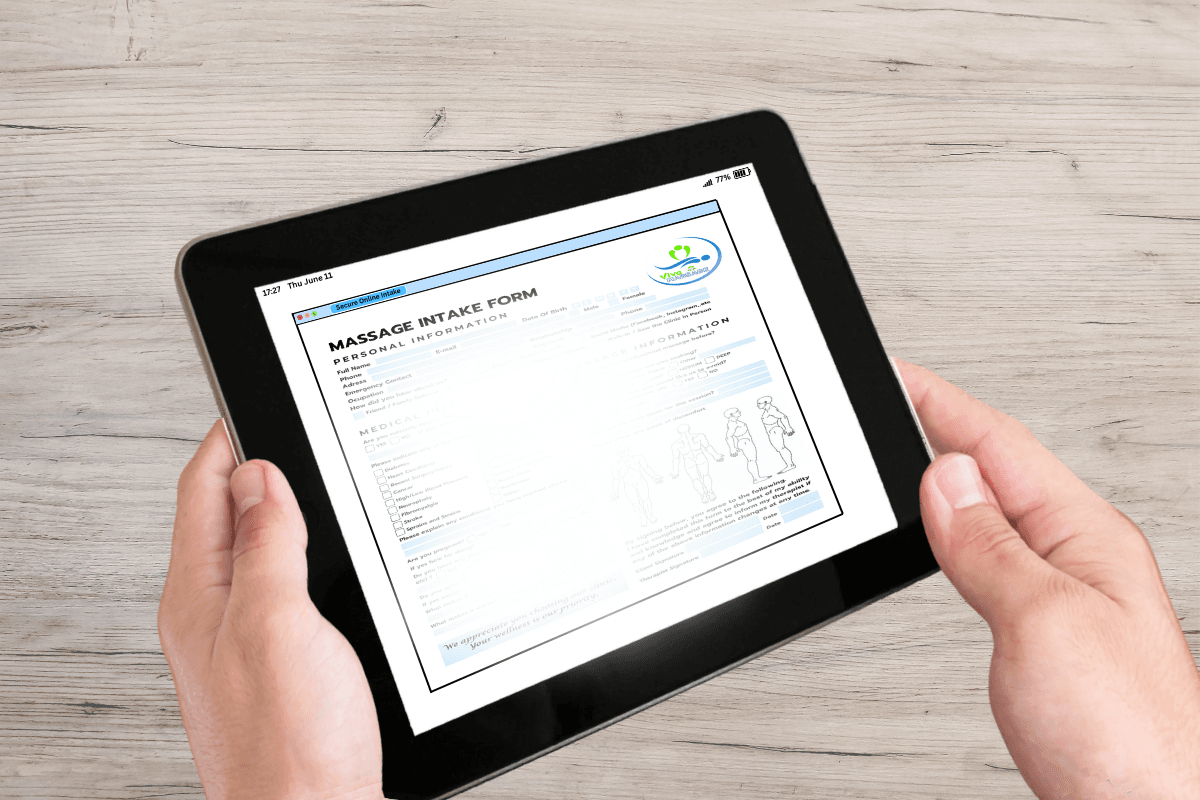
New clients can complete their intake form online before arriving — or fill it out on our iPad when they get here
Paperwork
Additional Forms for Certain Services and Insurance Plans
Depending on the service you've booked and how you plan to pay, there may be one or two additional forms to sign before your session begins.
If you're booking certain specialized services — including body dynamic cupping, hot stone massage, jade stone massage, or lymphatic massage — a brief release form is required as part of the standard consent process for those modalities.
If you're using extended health benefits through certain insurance providers, a direct billing authorization and assignment of benefits form may also be required before we can submit your claim. This is a standard requirement set by those providers — not something our clinic created — and it simply confirms that you've authorized us to bill on your behalf.
None of this takes long, and our team will walk you through anything that needs a signature when you arrive.
Your Arrival
When You Arrive at the Clinic
We recommend arriving a few minutes before your scheduled appointment time — especially for a first visit. This gives you a moment to settle in, ask any questions, and complete any remaining paperwork without feeling rushed.
When you arrive, our team will welcome you, confirm your details, and let your therapist know you're here. Before your session begins, your therapist will review your intake form and take a few minutes to speak with you directly — asking about the concerns that brought you in and what you'd like them to focus on during your session.
The more clearly you can describe what you're experiencing — whether that's tension in a specific area, post-workout soreness, stress, or something else — the more effectively your therapist can tailor the session to you. There are no wrong answers. Your therapist will listen and adjust accordingly.
The Treatment
What Happens During Your Massage Therapy Session
Your therapist will step out of the treatment room to give you privacy before the session begins. You'll be professionally draped throughout the entire treatment — only the specific area being worked on is ever exposed. This is standard clinical practice at every professional massage therapy clinic, and your comfort and dignity are maintained at all times.
The session itself is guided by what you shared during your intake — your therapist will work on the areas you discussed, applying the appropriate techniques for your goals. Whether you're here for deep tissue work, relaxation, athletic recovery, or another specific concern, the session is shaped around your needs — not a fixed template.
Throughout the session, your therapist is paying attention to how your tissue responds and adjusting their approach as needed. If at any point the pressure feels too intense or you have any concerns, simply let your therapist know — they will adjust immediately.
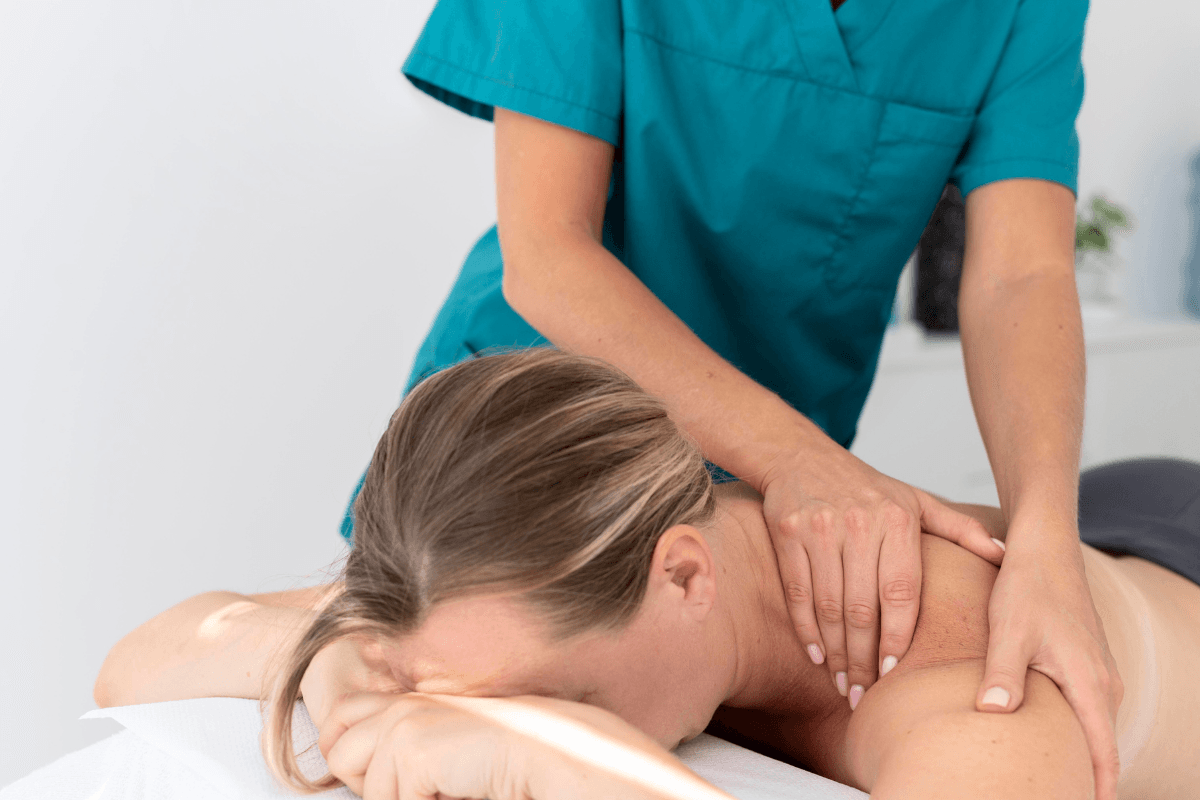
Every session at Viva Massage & Wellness is performed by a Registered Massage Therapist in a professional clinical environment
"A professional massage therapy session is a clinical treatment — conducted by a regulated healthcare provider in a safe, respectful, and therapeutic environment."
After Your Session
What to Expect After Your First Massage
When your session is complete, your therapist will step out again to give you privacy. Take your time — there's no need to rush.
Before you leave, your therapist will offer you a glass of water. This isn't just a courtesy — it's genuinely useful. Massage therapy increases circulation and stimulates the body's systems, and staying hydrated afterward supports the recovery process. It's a good habit to continue for the rest of the day.
Some first-time clients feel immediate relief. Others notice a mild soreness in the areas that were worked on — similar to how muscles feel after a productive workout. This is a normal response and typically resolves within 24 to 48 hours. It simply means the tissue was engaged and is now adapting.

Staying hydrated after your session supports your body's natural recovery process
After your first visit, we send a brief follow-up message the next day — a simple check-in to make sure you're feeling well and a reminder to keep hydrating. It's one small way we stay connected to your progress beyond the session itself.
Insurance & Direct Billing
Using Your Extended Health Benefits for Massage Therapy
If your extended health plan covers massage therapy, we offer direct billing for many of the most common providers in Alberta — including Alberta Blue Cross, Canada Life, Manulife, Sun Life, and others. This means we submit your claim at the time of your visit so you don't have to deal with forms or reimbursement requests after the fact.
To use your benefits, simply bring your insurance member ID card to your appointment. Coverage amounts and claim approvals are always determined by your insurance provider based on your individual plan — we'll always be transparent with you about what's covered and what isn't before you pay.
For a full overview of how direct billing works at our clinic and which providers we work with, visit our direct billing page.
Choosing Your Service
Which Massage Therapy Service Is Right for Your First Visit?
If you're not sure which service to book, you're not alone — it's one of the most common questions we get from first-time clients. The honest answer is that it depends on what you're experiencing and what you're hoping to get out of the session.
Here's a simple starting point:
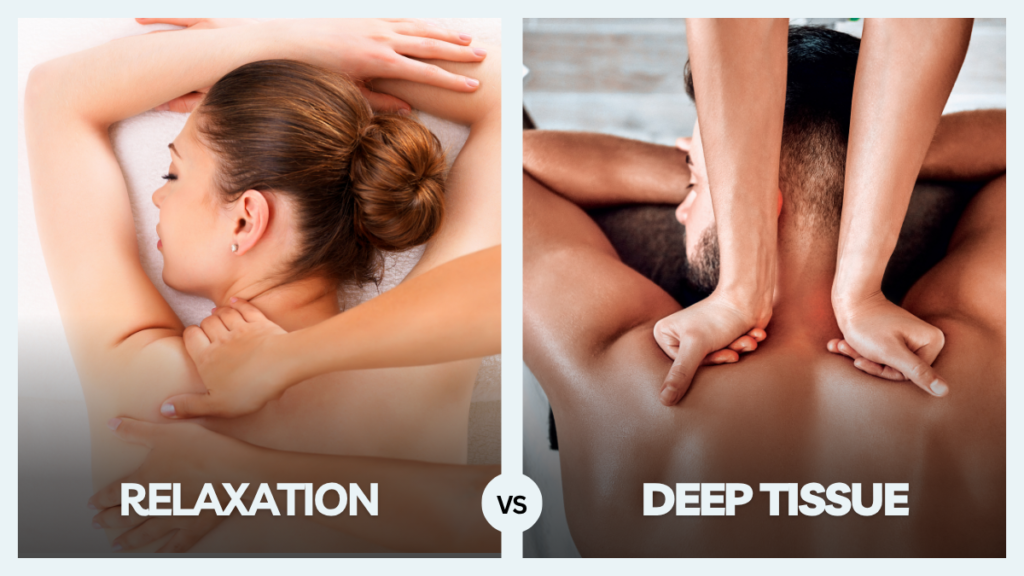
- Relaxation massage — if your primary goal is to reduce stress, improve sleep, or simply give your body a chance to reset
- Deep tissue massage — if you have chronic tension, specific areas of tightness, or postural discomfort that hasn't resolved on its own
- Sports massage — if you train regularly and want targeted work around recovery, overuse patterns, or performance preparation
- Hot stone massage — if you want the benefits of deep relaxation with the added effect of heat therapy on tight muscles
- Prenatal massage — if you're pregnant and experiencing physical discomfort or simply want safe, supportive bodywork during your pregnancy
Not sure? You can also explore our full list of therapeutic massage services or reach out before booking — our team is happy to point you in the right direction based on what you describe.
All new clients receive $10 off their first massage therapy session at Viva Massage & Wellness — automatically applied at checkout on 60, 75, 90, and 120-minute sessions across all our services.
About Viva Massage & Wellness
Registered Massage Therapy in Riverbend, Edmonton
Viva Massage & Wellness is a registered massage therapy clinic located in Riverbend, Southwest Edmonton. Every therapist on our team is a fully licensed Registered Massage Therapist — regulated under Alberta's Health Professions Act and trained to a minimum standard of 2,200 hours of accredited education.
We work with clients across a wide range of needs — from first-time visitors who are simply curious about massage therapy, to athletes managing training loads, to individuals dealing with chronic pain or recovering from injury. Whatever brings you in, you'll receive professional, evidence-informed care in a respectful and clinical environment.
You can meet our registered massage therapists before you book, explore our full range of services, or visit our home page to learn more about the clinic.
Ready to Book Your First Session?
New clients receive $10 off their first visit. Registered massage therapists in Riverbend, Edmonton — book online in minutes.
Book Your Massage Therapy in Riverbend Edmonton →What to Expect from Your First Massage Therapy Session in Edmonton Read More »